
Seafood Benefits for Women: A Comprehensive Look at Health, Beauty & Wellness
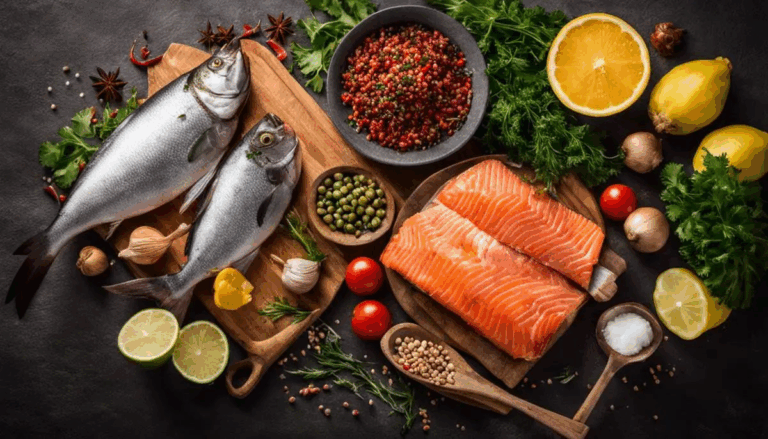
Key Summary Seafood offers powerful health benefits for women, from supporting hormonal balance and heart health to enhancing skin glow and hair strength. Its rich omega-3s, lean protein, and essential nutrients make it a smart addition to any woman’s wellness routine. |
Women’s bodies undergo complex hormonal changes throughout life, from menstruation and pregnancy to menopause and beyond. These shifts increase the need for specific nutrients that support reproductive, cardiovascular, and cognitive health. Unfortunately, many diets today fall short in providing the essential fatty acids, proteins, and minerals women need to function at their best. This is where seafood shines. Packed with omega-3s, high-quality protein, iodine, selenium, and vitamin D, seafood offers comprehensive support for women’s unique physiological needs.
Table of Contents
Omega-3s for Heart Health and Hormonal Balance
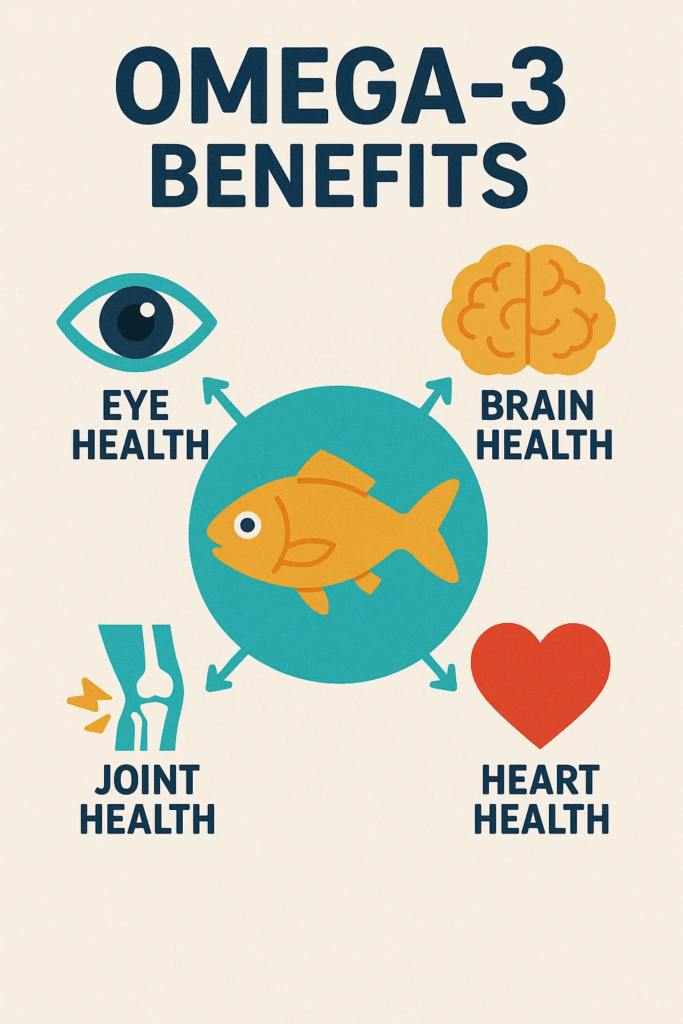
Particularly EPA and DHA, omega-3 fatty acids are essential for hormone regulation, inflammation reduction, and heart health support. Oily fish like mackerel, salmon, trout, and sardines are the main source of these fats. Omega-3 fatty acids are especially helpful for women in controlling menstrual pain, lowering the risk of endometriosis, and preventing heart disease, which is one of the main causes of death after menopause.
For cardiovascular protection, the American Heart Association also suggests consuming at least two servings of fatty fish each week. See our blog post on the Top 5 Health Benefits of Eating Seafood for a more thorough look at the nutritional profile of seafood.
Pregnancy and Seafood: Essential Information for Women
Women need higher amounts of protein, iodine, and omega-3 fatty acids during pregnancy in order to support tissue growth, thyroid function, and fetal brain development. These nutrients are best found in seafood, with DHA being particularly important for the development of the baby’s brain and eyesight. The FDA recommends 8–12 ounces of low-mercury seafood per week for expectant and nursing mothers.
Fish that are low in mercury, like cod, tilapia, salmon, and prawns, are not only healthy but also safe. Because of their high omega-3 content, the NHS actually recommends eating fish like trout and sardines. Our blog on Seafood Benefits and Side Effects breaks down risks and safe options for expectant mothers who are worried about safety.
Seafood's Beauty-Boosting Properties for Skin, Hair, and Ageing
Seafood contains the nutrients that promote radiant skin, glossy hair, and anti-aging properties. Rich in halibut and tuna, selenium is a potent antioxidant that shields skin from oxidative stress and UV rays. Zinc and iodine are involved in the synthesis of collagen and the control of oil, while omega-3 fatty acids support the preservation of skin hydration and suppleness. According to a 2021 USDA Dietary Guidelines Report, women of childbearing age are among the most nutrient-deficient groups, especially in omega-3 fatty acids, which are abundant in fatty fish like salmon and sardines.
People who ate seafood high in omega-3 fatty acids reported better skin texture and fewer signs of aging, according to a 2020 study by the American Academy of Dermatology. Furthermore, fish’s high-quality protein encourages the synthesis of keratin, which strengthens hair and nails. Thus, eating seafood regularly can help achieve a natural glow, which pricey creams frequently claim to provide but seldom do.
Brain & Bone Health: Long-Term Benefits for Women
As women age, cognitive decline and bone density loss become key health concerns. Omega-3s like DHA enhance memory retention, reduce brain fog, and even lower the risk of Alzheimer’s disease. Calcium and vitamin D are crucial for bone health, but seafood adds a synergistic benefit through phosphorus and magnesium, especially in varieties like sardines and mackerel.
Women who ate seafood 1–2 times per week scored better on cognitive tests and had stronger mental performance. Likewise, the National Osteoporosis Foundation notes that vitamin D in salmon and sardines helps calcium absorption, reducing fracture risk post-menopause.
Seafood Hazards & Safe Selection
Despite the fact that seafood is a superfood, women should be aware of some risks, especially those related to mercury and pollutants like PCBs. Avoid high-mercury fish like swordfish, tilefish, and king mackerel, especially if you’re pregnant. Choose seafood that is sustainably sourced and low in mercury instead.
Here’s how to choose wisely:
- Examine the FDA and EPA’s seafood advisories.
- Select varieties that are responsibly farmed or wild-caught.
- Switch between species to prevent heavy metal buildup.
- When pregnant, stay away from raw or undercooked seafood.
Sustainable Choices for a Healthy Planet
Supporting your health shouldn’t come at the expense of the planet. Sustainable seafood practices protect ocean ecosystems and ensure future generations can enjoy their benefits. Women can support sustainability by choosing certified seafood (look for labels like MSC or ASC) and by supporting local businesses with eco-conscious sourcing.
Fish Frenzy is one such example, as highlighted in our blog on Seafood and Sustainability: How Fish Frenzy Supports the Environment in Beckley. Their menu includes responsibly sourced options and seasonal catches that support regional fishers.
Top Seafood Choices & Their Key Benefits for Women
| Seafood | Nutrient Highlights | Key Benefits for Women | Mercury Level |
|---|---|---|---|
| Salmon | Omega-3, Vitamin D, Protein | Heart, brain, skin, anti-aging | Low |
| Sardines | Calcium, Vitamin D, DHA | Bone health, pregnancy support | Very Low |
| Shrimp | Selenium, Protein, Iodine | Skin health, thyroid support | Low |
| Tuna (Light) | Omega-3, Protein | Mental focus, hair strength | Moderate |
| Trout | Omega-3, B12, Potassium | Hormonal balance, cardiovascular wellness | Low |
| Mackerel | Omega-3, Vitamin B12 | Mood enhancement, cognitive clarity | Moderate-High |
Frequently Asked Questions
How much seafood should women eat weekly?
Ideally, 2–3 servings of low-mercury seafood (8–12 ounces) per week are recommended for adult women, including pregnant individuals.
Is seafood good for menopause symptoms?
Yes. Omega-3s in seafood may help reduce hot flashes, improve mood stability, and support bone health during and after menopause.
Can seafood help with acne or skin issues?
Omega-3s and zinc in seafood reduce inflammation and regulate oil production, potentially improving acne and promoting clearer skin.
Final Thoughts
Whether you’re focused on enhancing your fertility, boosting your energy, or aging gracefully, seafood offers a diverse and delicious way to meet your health goals. The key lies in choosing wisely, opting for low-mercury, sustainable sources, and rotating your choices to get a spectrum of nutrients. And when you’re craving a fresh, flavorful dish, don’t just ask “where can I find good seafood?” seek out fresh seafood restaurants near me that prioritize health, taste, and sustainability.
References
- U.S. Department of Agriculture. (2021). Dietary Guidelines for Americans 2020-2025. https://www.dietaryguidelines.gov/
- American Heart Association. (2022). Omega-3 Fatty Acids and Heart Health. https://www.heart.org/
- FDA. (2021). Advice About Eating Fish. https://www.fda.gov/food/consumers/advice-about-eating-fish
- American Academy of Dermatology. (2020). Nutrition and Healthy Skin. https://www.aad.org/
- National Osteoporosis Foundation. (2020). Vitamin D and Bone Health. https://www.nof.org/
- 2021 USDA Dietary Guidelines Report, https://www.dietaryguidelines.gov/sites/default/files/2020-12/Dietary_Guidelines_for_Americans_2020-2025.pdf